

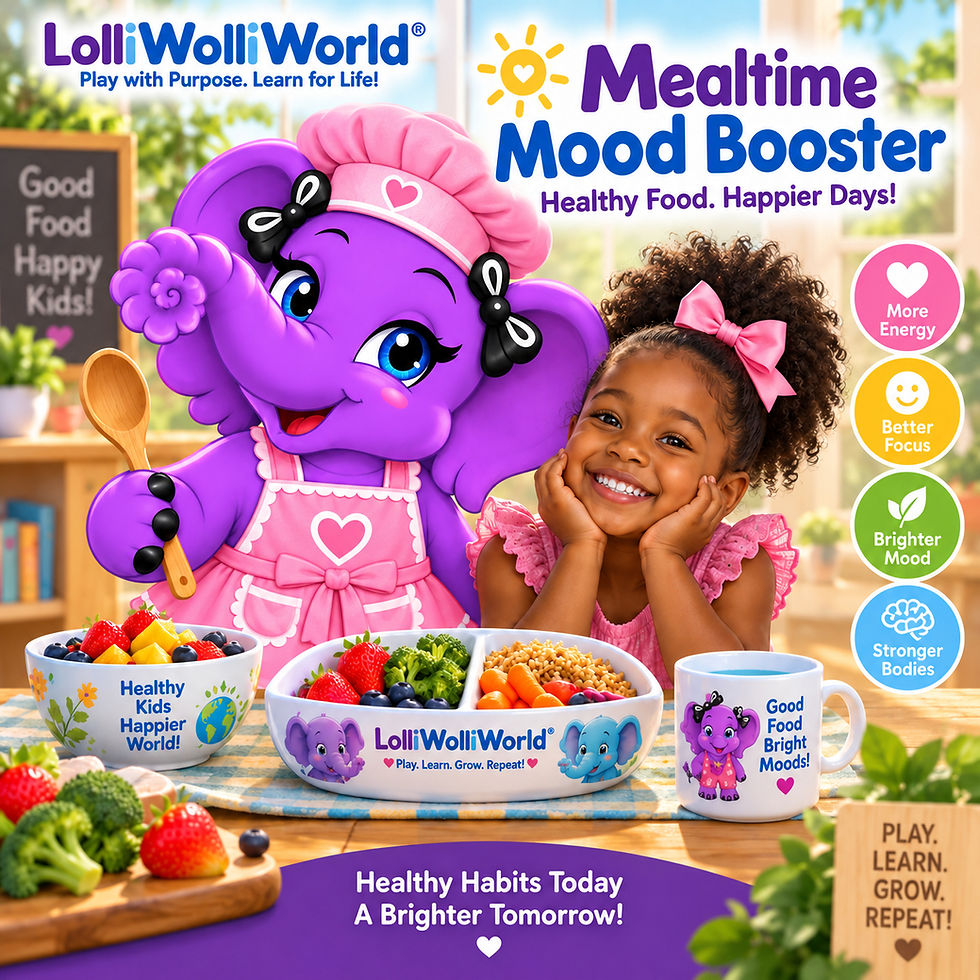
Good Food Good Mood Month with Lolli Colorful Snack Fun for Little Taste Buds

Snack time can turn a long afternoon around. A plate with a few bright colors, a crunchy bite, something creamy, and a tiny bit of make-it-yourself fun can shift the energy at the table fast.
That is the spirit of Good Food, Good Mood Month with Lolli. It is a simple invitation to bring more color, play, and variety into snack time, especially for little eaters who love food they can stack, sprinkle, dip, and name.
No snack has to be perfect. It does not need to look like a magazine spread. The goal is much better than that: give little taste buds something cheerful, balanced, and fun to help make.
Why colorful snacks feel so inviting
Children often eat with their eyes first. A snack with red strawberries, orange mandarin slices, yellow banana coins, green kiwi, and purple blueberries feels like an activity before the first bite even happens.
Color also helps add variety. Different fruits, whole grains, dairy foods, and seeds bring different tastes and textures. Some are juicy. Some are creamy. Some are crisp. That mix keeps snack time interesting.
The mood part matters too. Food does not magically fix every grumpy moment, and it should never be used as the only comfort tool. Still, a calm snack break can help reset the room. A few minutes at the table can give kids a chance to slow down, make choices, and enjoy something made with care.
A colorful snack can support a better mood because it often includes:
Choice
Kids get to pick toppings or colors.
Participation
Stirring, scooping, and sprinkling make them part of the process.
Texture
Crunchy, creamy, juicy, and chewy bites keep things fun.
Routine
A pleasant snack break can become a small anchor in the day.
That is where Lolli comes in as the cheerful guide for the month. Think of Lolli as a playful reminder to add color, kindness, and small moments of joy to everyday food.
Make Lolli rainbow crunch cups
These snack cups are easy to assemble and flexible enough for picky eaters. They work after school, on a weekend morning, during a playdate, or as a sweet-looking treat that still has simple everyday ingredients.
The best part is that kids can help build them. There is no stove, no sharp knife work for little hands, and no complicated steps.
What you need
For 4 small snack cups:
2 cups plain or vanilla yogurt
1 cup strawberries, chopped
1 cup blueberries
1 cup mandarin orange segments
1 banana, sliced
1 kiwi, peeled and diced
1 cup whole-grain cereal or granola
2 tablespoons shredded coconut, optional
1 tablespoon chia seeds or sunflower seeds, optional
A small drizzle of honey or maple syrup, optional and only for children over 1 year old
Use whatever fruit is already in the fridge. Apples, grapes cut safely for age, raspberries, peaches, pineapple, or mango all work. Frozen fruit can work too if it is thawed and drained first.
How to build them
Spoon yogurt into each cup
Add a soft, creamy base. Small clear cups make the colors easy to see.
Add fruit in color layers
Try strawberries, oranges, banana, kiwi, and blueberries. Neat layers are fun, but a happy mix tastes just as good.
Sprinkle on crunch
Add cereal or granola right before serving so it stays crisp.
Let kids finish the top
Coconut, seeds, or a tiny drizzle can make the snack feel extra special.
Name the creation
Try names like Lolli Rainbow Cup, Sunshine Crunch, Berry Happy Bowl, or Tiny Taste Bud Parfait.
This recipe is part snack, part craft. It gives kids a sense of ownership without turning the kitchen into a huge project.

Let little helpers take the lead
Kids often show more interest in food when they help prepare it. The job does not need to be big. In fact, tiny jobs are usually best.
A toddler can drop banana slices into a bowl. A preschooler can sprinkle cereal. An older child can arrange fruit by color or help rinse berries. These small tasks turn snack prep into a shared moment.
Try giving choices that are clear, but not overwhelming.
Instead of asking, “What do you want for snack?” try:
“Do you want strawberries or blueberries on top?”
“Should we make a red layer first or a yellow layer?”
“Do you want your crunch in the cup or on the side?”
“Should we call this one Rainbow Rocket or Lolli Crunch Cup?”
Those questions keep the snack moving while still giving kids a voice.
For children who are unsure about new foods, keep the pressure low. A new fruit can sit next to a familiar favorite. A child can smell it, touch it, or use it as a topping before taking a bite. That still counts as progress.
The goal is not to win a food battle. The goal is to make trying feel safe and fun.
Build a snack with balance
A snack that keeps little bellies satisfied usually has more than one kind of ingredient. Fruit alone can be refreshing, but pairing it with protein, fat, or fiber can make it more filling.
A simple way to think about it is to combine at least two of these groups:
Fruits or vegetables
Protein or creamy base
Crunch or whole grains
Flavor boosters
Strawberries, blueberries, banana, kiwi, apple slices, cucumber coins, carrot sticks
Yogurt, cottage cheese, hummus, nut or seed butter, cheese cubes
Whole-grain cereal, toasted oats, whole-wheat crackers, air-popped popcorn for older kids
Cinnamon, coconut, seeds, lemon zest, a small drizzle of honey for children over 1
For babies and younger toddlers, adjust textures and shapes for safety. Cut round foods like grapes and cherry tomatoes into safe pieces, avoid hard choking hazards, and choose textures that match the child’s stage.
For school snacks, check allergy rules before packing nut butters or seed toppings. Sunflower seed butter, yogurt tubes, cheese, fruit, and whole-grain crackers can be useful options when nuts are not allowed.
Turn one snack into a month of ideas
Good Food Good Mood Month with Lolli Colorful Snack Fun for Little Taste Buds does not have to mean a new recipe every day. A few simple themes can keep things fresh without adding stress.
Make a color of the day
Pick one color and build around it.
For red day, try strawberries, raspberries, watermelon, and red apple slices. For green day, try kiwi, grapes cut safely, cucumber, snap peas, or avocado toast fingers. Yellow day can include banana, pineapple, corn, yellow peppers, or scrambled egg bites.
The color theme gives kids something to notice. It can also start easy conversations about where food comes from and how it grows.
Serve a dip-it plate
Dips make snacks more interactive. A small bowl of yogurt, hummus, guacamole, or seed butter can make familiar foods feel new.
Good dipper ideas include:
Apple slices
Banana chunks
Whole-grain crackers
Cucumber sticks
Soft pita triangles
Strawberry halves
Carrot sticks for kids who can chew them safely
A dip-it plate works especially well for kids who like control. They decide how much dip goes on each bite.
Make snack kabobs
Use short, blunt skewers designed for kids, or skip sticks and line the pieces up on a plate. Try alternating fruit and cheese cubes, or banana slices and strawberries.
If using skewers, supervise closely and choose age-appropriate tools. For younger children, a “snack train” on a plate gives the same playful look without the stick.
Create a silly face plate
Use a rice cake, toast round, pancake, or small tortilla as the face. Add yogurt, cream cheese, hummus, or nut-free spread. Then use fruit or vegetables for eyes, nose, hair, and a smile.
It may look goofy. That is the point.

Keep prep simple for busy days
A fun snack should not require a sink full of dishes. The easiest way to make colorful snacks happen more often is to prep a few pieces ahead.
Wash fruit when it makes sense for the type. Some berries last longer when washed right before eating, while sturdier fruits like apples and oranges can be ready to go. Keep a few toppings in small containers so kids can choose one or two.
A simple snack station might include:
A container of chopped fruit
Yogurt cups or a larger tub of yogurt
Whole-grain cereal
Crackers
Cheese sticks
Small spoons
Reusable snack cups
When the basics are ready, the snack becomes quick to assemble. Kids can still help, but the hard part is already done.
For lunch boxes or snacks away from home, pack wet and crunchy ingredients apart. Yogurt in one container and cereal in another keeps the texture better. Fruit can go in a separate cup, then kids can mix everything when it is time to eat.
Add joy without adding pressure
Food can be colorful and fun without turning every bite into a lesson. Some days, kids eat the blueberries and leave the kiwi. Some days, they only want the crunchy topping. That is normal.
The calmest approach is to offer variety and let kids respond. Keep portions small, especially with new foods. A tiny taste feels less intimidating than a full scoop.
A few gentle habits can help:
Put one familiar food on the plate.
Add one new or less-loved food in a small amount.
Avoid making dessert the reward for eating fruit or vegetables.
Let kids describe texture, color, or smell.
Keep the mood light if they say no.
Good Food, Good Mood Month works best when the table feels relaxed. Smiles matter more than perfect bites.
Try a Lolli snack board for sharing
When there is more than one child at the table, a snack board can make the moment feel special. Use a cutting board or tray and arrange small piles of colorful foods.
A cheerful Lolli-inspired board might include:
Yogurt dip with cinnamon
Strawberry halves
Blueberries
Mandarin orange slices
Banana coins
Cubed cheese
Whole-grain crackers
Mini rice cakes
Cucumber slices
A small bowl of cereal crunch
Set out small plates so everyone can build their own cup, face, stack, or dipper combo. This keeps the snack playful and reduces fuss over who gets what.
It also gives kids a chance to watch others try foods. Sometimes a child becomes curious simply because another child is crunching happily beside them.

Make the month feel special
A whole month of good food and good mood moments can be simple. Choose one small ritual and repeat it.
Maybe Fridays become rainbow cup days. Maybe each child gets to pick one fruit for the week. Maybe Lolli leaves a tiny “color challenge” note near the snack bowl, such as “Can you find three red foods?” or “Build the crunchiest cup.”
Here are a few easy prompts to keep the idea going:
What color made your snack look happiest today?
What was the crunchiest bite?
What fruit would you add next time?
Can you make a snack with three shapes?
What should we name today’s cup?
These questions help kids slow down and notice their food. They also make everyday snacks feel warm and connected.
Good Food, Good Mood Month with Lolli is really about small wins. A child adds one blueberry. A snack plate gets one more color. A busy afternoon pauses for ten cheerful minutes.
That is enough.
Start with the rainbow crunch cups, keep the portions small, and let the fun lead. When little taste buds get color, choice, and a chance to help, snack time can become one of the happiest parts of the day.


these are some great snack ideas. I especially like the fruit yogurt cup. Thanks for sharing!👍